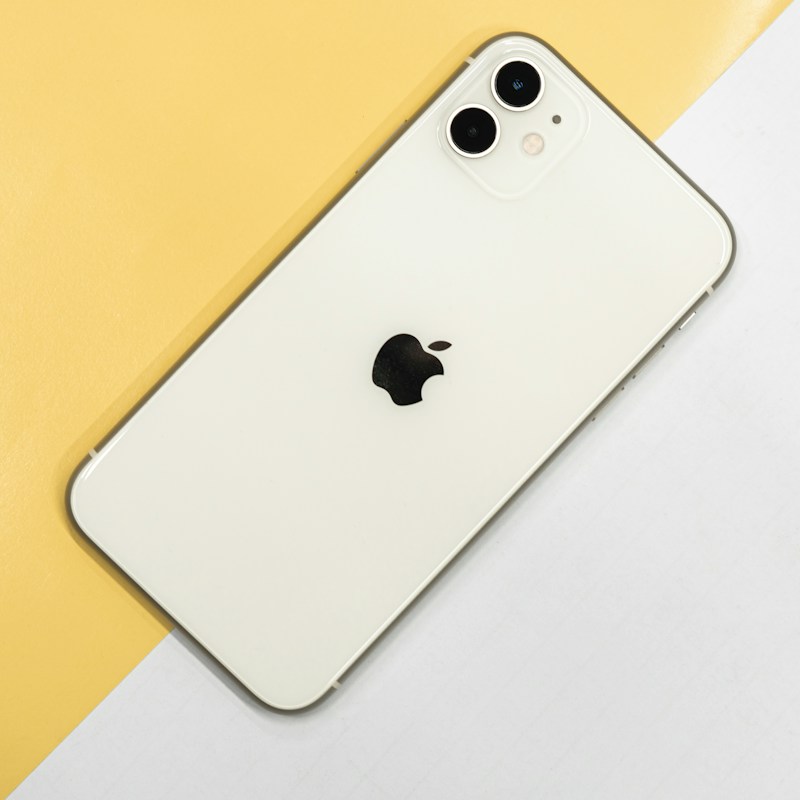
Apple's new ultra-thin iPhone sacrifices some features for an incredibly slim profile that slips into any pocket.
제품 사양
| 가격 | $1,199 (256GB) / $1,299 (512GB) |
| 출시일 | 2025년 9월 19일 |
| 제조사 | Apple |
| display | 6.6인치 OLED, 2740x1260, ProMotion 120Hz |
| brightness | 2,000니트 (피크 HDR) |
| processor | Apple A19 |
| memory | 8GB RAM |
| storage | 256GB / 512GB |
| rearCamera | 48MP (f/1.6) OIS |
| frontCamera | 12MP TrueDepth |
| battery | 약 6-7시간 SOT |
| charging | 20W 유선, 15W MagSafe |
| thickness | 5.5mm |
| weight | 145g |
| material | 티타늄 프레임, 세라믹 쉴드 |
| connectivity | USB-C, eSIM only, Wi-Fi 7, 5G |
The iPhone 17 Air is Apple's boldest iPhone experiment in years. At just 5.5mm thick, it's nearly half the thickness of the iPhone 17 Pro Max and represents Apple's vision of what a truly pocketable smartphone can be.
The thinness is immediately striking. Holding the iPhone 17 Air feels almost like holding a credit card that happens to have a 6.6-inch display. The titanium frame and flat edges give it rigidity despite the slim profile. It's comfortable in ways that regular smartphones simply aren't.
To achieve this profile, Apple made some sacrifices. There's a single 48MP camera instead of the triple-camera system on Pro models. It's a capable shooter—essentially the main camera from the iPhone 16—but you lose the ultrawide and telephoto options.
The A19 chip (not A19 Pro) provides flagship performance for everyday tasks. It's slightly less powerful than the Pro variant but handles everything most users need without issue. Gaming and demanding apps work well, though the thermal constraints of the thin body mean sustained performance is slightly reduced.
Battery life is the biggest concern. Apple claims 'all-day battery life,' which in our testing translated to about 6-7 hours of screen-on time. Heavy users will need to charge by early evening. The 20W charging is adequate but not fast by 2025 standards.
The 6.6-inch OLED display is gorgeous with ProMotion 120Hz and 2,000 nits peak brightness. Dynamic Island is present. Face ID works reliably. The single bottom-firing speaker is serviceable but lacks the stereo separation of other models.
There's no physical SIM tray—eSIM only. The Lightning port is replaced with USB-C (finally universal across the iPhone lineup). MagSafe works, though the thinner profile means some accessories may not align perfectly.
At $1,199, the iPhone 17 Air costs more than the standard iPhone 17 despite having fewer features. You're paying for engineering and design. For those who prioritize thinness and portability above all else, it delivers something no other phone can match.
공유하기
관련 포스트
 Apple
AppleiPhone 17 Pro Max 리뷰: A19 Pro와 혁신적인 카메라 시스템
Apple의 2025년 플래그십이 A19 Pro 칩, 48MP 페리스코프 망원, 그리고 크게 향상된 Apple Intelligence 기능을 선보입니다.
 Apple
AppleiPad Pro M4 리뷰: 노트북을 대체하는 초슬림 태블릿
Apple 역사상 가장 얇은 제품이 M4 칩, 놀라운 OLED 디스플레이, 전문 작업을 처리할 충분한 성능을 탑재했습니다.
 Apple
AppleApple Watch Ultra 3 리뷰: 위성 SOS가 양방향 메시징을 지원
Apple의 러기드 스마트워치가 양방향 위성 메시징, 개선된 GPS 정확도, 더 나은 건강 모니터링을 위한 S10 칩을 추가했습니다.
 Apple
AppleAirPods Pro 3 리뷰: 임상 등급 청력 건강 기능 도착
Apple의 3세대 AirPods Pro가 보청기 기능, 개선된 노이즈 캔슬링, 새로운 H3 칩을 추가했습니다.